High Computational Requirements
Deep learning models demand large-scale computation that CPUs cannot handle efficiently.
High Computational Requirements
Deep learning models demand large-scale computation that CPUs cannot handle efficiently.
Speeding up AI computations with specialized hardware and optimized algorithms
AI Acceleration refers to the use of advanced hardware and optimized algorithms to significantly speed up artificial intelligence computations. Modern AI applications require massive data processing and complex neural network calculations. By using specialized processors such as GPUs, TPUs, and AI accelerators, organizations can reduce training time, improve performance, and enable real-time AI applications.
Deep learning models demand large-scale computation that CPUs cannot handle efficiently.
Deep learning models demand large-scale computation that CPUs cannot handle efficiently.
Training AI models on large datasets can take days or weeks, slowing deployment.
Training AI models on large datasets can take days or weeks, slowing deployment.
Traditional computing consumes high power and infrastructure resources
Traditional computing consumes high power and infrastructure resources
Difficulty in processing and analyzing real-time data with standard systems.
Difficulty in processing and analyzing real-time data with standard systems.
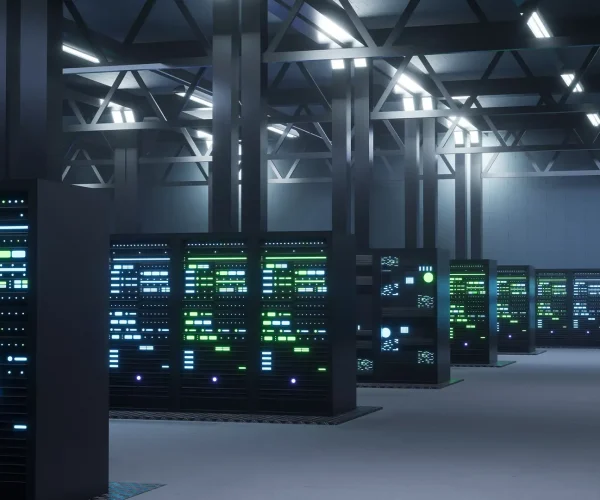
AI Acceleration leverages specialized hardware such as GPUs, TPUs, and edge AI processors, along with optimized machine learning frameworks, to speed up AI model training and inference. Parallel computing and hardware optimization reduce computational time, energy usage, and improve scalability for large AI workloads.
Parallel computation for deep learning tasks.
Parallel computation for deep learning tasks.
Specialized AI hardware for faster model training.
Specialized AI hardware for faster model training.
Real-time AI processing on devices at the edge.
Real-time AI processing on devices at the edge.
TensorFlow, PyTorch, CUDA for optimized computations.
TensorFlow, PyTorch, CUDA for optimized computations.
AI acceleration will evolve with more efficient hardware, advanced edge computing, and energy-optimized AI chips. Future systems will enable faster training, real-time analytics, and broader adoption of AI across industries.
